Pelvic health is a fundamental but often neglected aspect of womens overall well-being. From adolescence through menopause and beyond, the pelvic floor plays a key role in supporting organs, maintaining continence, stabilizing the core, and contributing to sexual function.

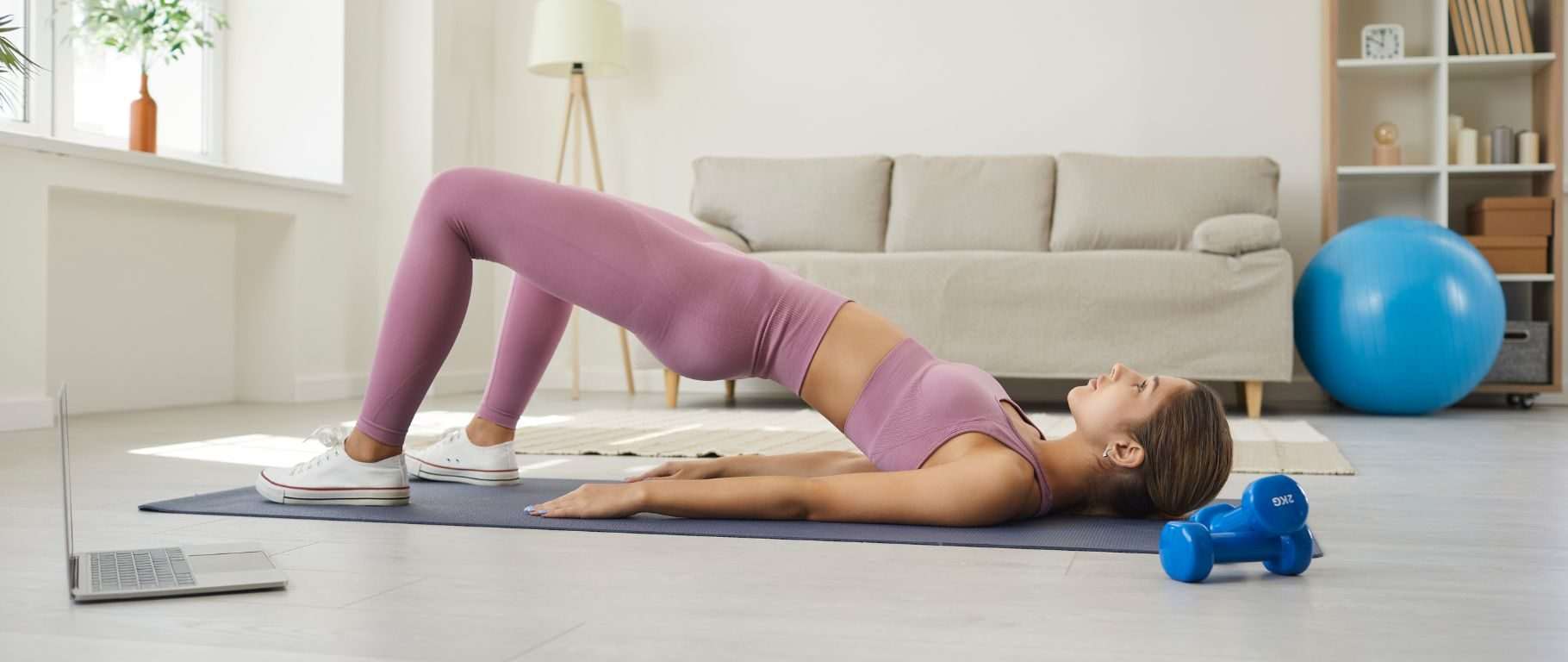
Pelvic health is a fundamental but often neglected aspect of womens overall well-being. From adolescence through menopause and beyond, the pelvic floor plays a key role in supporting organs, maintaining continence, stabilizing the core, and contributing to sexual function. When pelvic health is compromiseddue to childbirth, aging, surgery, or poor posturequality of life can suffer. Understanding the significance of pelvic health and taking proactive steps to maintain it can have a lifelong impact on physical, emotional, and functional wellness.
What Does Pelvic Health Include?
Pelvic health encompasses the strength, flexibility, and coordination of the pelvic floor muscles. These muscles form the base of the core, stretching from the pubic bone to the tailbone, and support the bladder, uterus, and bowel. They work closely with abdominal and back muscles to maintain posture, stabilize the spine, and regulate internal pressure.
When these muscles function well, they operate in harmony with the rest of the body. But dysfunctionwhether from weakness, tightness, or injurycan cause a range of symptoms, including:
Urinary or fecal incontinence
Pelvic organ prolapse
Chronic pelvic or lower back pain
Pain during intercourse
Difficulty with bowel movements
Core instability and poor posture
These issues may start as occasional discomfort but can escalate into persistent problems that affect daily living and emotional well-being.
The Lifelong Impact of Pelvic Health
Posture and Mobility
Pelvic health influences how women move, stand, and support their body weight. A stable pelvic floor helps maintain posture and reduces stress on the spine and hips. When pelvic function is compromised, it often leads to compensatory movement patterns that strain the back, knees, and joints.
Bladder and Bowel Control
Incontinence is not a normal part of aging, yet many women experience it. A healthy pelvic floor provides the control needed to manage bladder and bowel function. Addressing these muscles early can prevent or reduce leakage and avoid reliance on medications or surgery.
Sexual Health and Intimacy
Pelvic floor dysfunction can cause discomfort or pain during intercourse, reducing confidence and intimacy. A strong, flexible pelvic floor enhances sensation and supports sexual function, contributing to emotional connection and personal fulfillment.
Recovery from Pregnancy and Childbirth
The demands of pregnancy and labor stretch and sometimes damage the pelvic floor. Women who focus on pelvic health before, during, and after pregnancy often recover more smoothly, reducing the risk of long-term complications like prolapse or incontinence.
Support During Menopause
Hormonal changes during menopause affect tissue elasticity and muscle tone. This is a critical period for reinforcing pelvic health. Women who maintain strong pelvic floor muscles are better equipped to handle menopausal transitions and retain independence in later life.
How Physiotherapy Supports Long-Term Pelvic Health
Physiotherapy plays a vital role in assessing and treating pelvic floor dysfunction. A pelvic health physiotherapist provides:
Individual assessments of muscle tone and function
Tailored exercise programs for strengthening or relaxing muscles
Education on posture, breathing, and lifestyle habits
Techniques for managing pain, pressure, or prolapse
Support for recovery after childbirth or surgery
This customized approach ensures women address not just the symptoms but the root causes of dysfunction.
Preventative Care Is Key
The best time to start caring for pelvic health is before symptoms appear. Preventative physiotherapy helps identify subtle imbalances and correct them before they evolve into larger problems. It also empowers women with the tools and knowledge to maintain function through various life stages.
By integrating pelvic health into regular wellness routines, women can stay active, avoid chronic pain, and improve their overall quality of life. Preventative care builds resiliencenot just physically, but also mentally and emotionally.
Simple Lifestyle Habits That Support Pelvic Health
Practice pelvic floor exercises daily, ensuring correct technique
Stay hydrated and eat fiber-rich foods to avoid straining during bowel movements
Avoid heavy lifting without proper form or pelvic support
Use correct posture while sitting, standing, or breastfeeding
Breathe deeply and engage the core in daily activities
Seek help early if symptoms arise
Prioritizing Long-Term Health
Pelvic health is not just a medical concernits a foundation of lifelong vitality. When these deep, central muscles function well, they allow women to move freely, engage fully in life, and age with confidence. Ignoring pelvic health risks long-term discomfort, reduced mobility, and diminished independence.
Whether you’re navigating postpartum recovery, preparing for menopause, or simply aiming to maintain core strength, investing in pelvic health is an investment in your future. With the right guidance and supportespecially through physiotherapywomen can reclaim control, prevent dysfunction, and live without limitations.