Accidents, whether they involve car crashes, falls, sports injuries, or workplace incidents, can result in a wide range of injuries, including soft tissue damage, fractures, and joint problems. While medication and surgery are often part of the recovery process, physiotherapy plays a critical role in managing pain and promoting recovery after an accident.

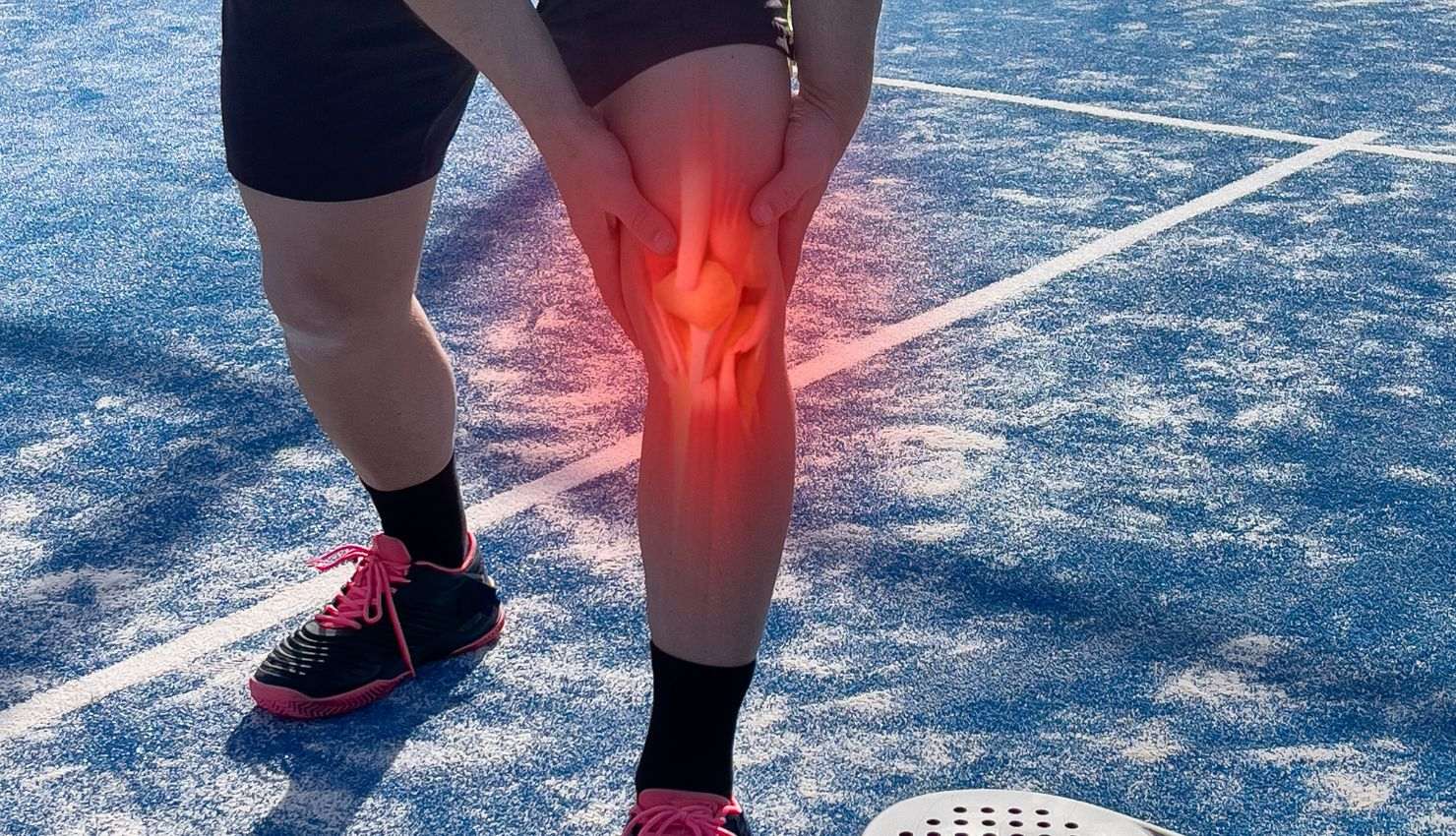
Accidents, whether they involve car crashes, falls, sports injuries, or workplace incidents, can result in a wide range of injuries, including soft tissue damage, fractures, and joint problems. While medication and surgery are often part of the recovery process, physiotherapy plays a critical role in managing pain and promoting recovery after an accident. Physiotherapists use a combination of hands-on techniques, exercises, and education to help patients reduce pain, restore function, and prevent long-term complications.
Heres why physiotherapy is essential for pain management after an accident:
### **1. Reduces Pain and Inflammation**
One of the immediate goals after an accident is to reduce pain and inflammation, which are often exacerbated by swelling, muscle spasms, and restricted movement. Physiotherapists use a variety of techniques to address this in the initial stages of recovery.
#### **Pain Management Techniques:**
* **Ice Therapy (Cryotherapy)**: Ice is applied to the injured area in the first 48-72 hours after an accident to reduce swelling, numb the area, and alleviate acute pain.
* **Heat Therapy**: Once the initial inflammation has subsided, heat therapy is used to relax tight muscles, improve blood flow, and relieve pain associated with muscle stiffness or spasms.
* **Transcutaneous Electrical Nerve Stimulation (TENS)**: TENS is a non-invasive method that uses electrical currents to stimulate nerves and reduce pain perception by blocking pain signals sent to the brain.
* **Ultrasound Therapy**: Therapeutic ultrasound uses sound waves to penetrate deep into the tissues, helping reduce inflammation, increase blood flow, and promote tissue healing.
These methods can provide immediate relief from the pain caused by soft tissue injuries, fractures, or joint damage, helping patients begin their recovery process.
—
### **2. Improves Range of Motion (ROM)**
After an accident, pain, muscle guarding, and swelling can limit the normal range of motion in affected joints and muscles. Physiotherapists focus on restoring joint mobility and flexibility through a variety of techniques to help patients regain movement and reduce stiffness.
#### **How It Helps:**
* **Range of Motion Exercises**: Physiotherapists guide patients through gentle, controlled exercises to increase the flexibility of joints and muscles. These exercises help break up adhesions or scar tissue that may limit movement.
* **Passive and Active-Assisted Movement**: In the early stages, physiotherapists may assist in moving the injured area to maintain mobility. As healing progresses, active movement exercises help restore function.
Restoring ROM is crucial for preventing long-term stiffness, improving daily functional movements, and reducing pain caused by restricted motion.
—
### **3. Strengthens Muscles and Stabilizes Joints**
Following an accident, muscles may weaken due to disuse, pain, or injury. Weak muscles place extra strain on joints and can result in further pain and injury. Physiotherapy helps rebuild strength in the muscles surrounding the injured area, improving joint stability and reducing the risk of future injuries.
#### **How It Helps:**
* **Strengthening Exercises**: Physiotherapists prescribe exercises to strengthen the muscles around the injured joint or area. For example, strengthening exercises for the quadriceps and hamstrings are commonly used in the rehabilitation of knee injuries.
* **Core Strengthening**: Many accidents, especially those involving the back or neck, benefit from core strengthening exercises, as a strong core supports the spine and reduces strain on the back and neck.
* **Proprioception Training**: Physiotherapists include exercises that improve proprioception, or the body’s ability to sense its position in space. This is particularly helpful for balance, joint stability, and preventing re-injury.
Strengthening muscles provides long-term support for the injured area, preventing re-injury and reducing chronic pain.
—
### **4. Prevents Compensatory Movements**
After an accident, patients often alter their posture or movement patterns to avoid pain. These compensatory movements can lead to muscle imbalances, joint stress, and even pain in other areas of the body. Physiotherapists help patients restore proper body mechanics and movement patterns.
#### **How It Helps:**
* **Postural Correction**: Physiotherapists educate patients on how to sit, stand, and move correctly to prevent strain on the body. They also work with patients on ergonomic adjustments to their workstations or daily environments to prevent additional stress.
* **Movement Re-education**: Physiotherapists teach patients how to perform everyday activities (such as bending, lifting, or walking) in a way that avoids excessive strain on the injured body part, reducing the risk of developing new pain or injury.
By retraining the body to move correctly, physiotherapy prevents the development of new pain caused by improper compensation.
—
### **5. Reduces Scar Tissue and Improves Soft Tissue Healing**
After an injury, scar tissue can form around the muscles, ligaments, or tendons, potentially leading to stiffness and discomfort. Physiotherapy helps break down scar tissue and improve soft tissue healing.
#### **How It Helps:**
* **Myofascial Release**: This technique targets the fascia (connective tissue surrounding muscles) to release tightness and improve flexibility in the affected area. It is particularly useful for treating soft tissue injuries.
* **Deep Tissue Massage**: Deep tissue massage techniques break down adhesions and scar tissue, improving circulation and tissue elasticity to enhance healing and reduce discomfort.
* **Cross-Fiber Friction**: This technique involves applying pressure to the affected area in different directions to improve blood flow, break down scar tissue, and reduce adhesions.
These techniques help ensure that scar tissue doesnt limit movement or cause persistent pain.
—
### **6. Promotes Faster Recovery and Healing**
In addition to managing pain, physiotherapy helps accelerate the healing process by improving blood flow, promoting tissue repair, and restoring normal movement.
#### **How It Helps:**
* **Enhanced Circulation**: Physiotherapy treatments, such as massage, joint mobilization, and active exercises, increase blood circulation to the injured area, ensuring that nutrients and oxygen reach the tissues for faster healing.
* **Inflammation Reduction**: Techniques like ice therapy, ultrasound, and manual therapy help reduce swelling and inflammation, which can delay healing and cause chronic pain.
* **Tissue Regeneration**: Stimulating the muscles, tendons, and ligaments with therapeutic exercises and techniques promotes the production of collagen and other important components needed for tissue repair.
By addressing both the pain and the underlying causes of the injury, physiotherapy promotes quicker and more effective healing.
—
### **7. Psychological Support and Motivation**
Accident-related pain often leads to frustration, anxiety, and depression, which can hinder recovery. Physiotherapists provide emotional support and help patients stay motivated throughout the rehabilitation process.
#### **How It Helps:**
* **Goal Setting**: Physiotherapists work with patients to set realistic recovery goals, providing a sense of accomplishment and motivation as they progress through treatment.
* **Pain Coping Strategies**: Physiotherapists teach relaxation techniques, deep breathing exercises, or mindfulness practices to help patients cope with the psychological effects of pain and promote a positive mindset.
* **Encouragement**: As recovery progresses, physiotherapists offer consistent encouragement, building the patients confidence in their ability to heal and return to normal activities.
This psychological support helps patients stay focused and positive throughout the recovery journey.
—
### **8. Prevention of Long-Term Pain and Dysfunction**
A key aspect of physiotherapy is preventing long-term pain and dysfunction caused by the accident. Physiotherapists dont just focus on short-term recovery; they also work on preventing chronic pain, re-injury, and mobility issues in the future.
#### **How It Helps:**
* **Education on Injury Prevention**: Physiotherapists educate patients on how to avoid reinjuring themselves or exacerbating pain, teaching them how to protect the injured area during daily activities and sports.
* **Maintenance Programs**: After the initial rehabilitation phase, physiotherapists often design ongoing exercise programs to maintain strength, mobility, and flexibility, ensuring long-term recovery.
* **Lifestyle Modifications**: Physiotherapists may provide advice on lifestyle changes, such as weight management, nutrition, and physical activity, that support overall musculoskeletal health and prevent future injury.
By addressing the root causes of pain and developing long-term strategies, physiotherapy helps maintain lasting recovery.
—
### **Conclusion**
Physiotherapy plays a critical role in managing pain after an accident, facilitating a faster recovery, and preventing future complications. By addressing pain through various therapeutic techniques, strengthening muscles, improving joint mobility, and promoting healing, physiotherapists help patients regain function and return to daily activities. Whether dealing with acute pain from a recent injury or chronic pain from a past accident, physiotherapy offers a comprehensive, non-invasive approach to pain management and rehabilitation.