Why Physiotherapy Is Essential for Your Long-Term Dance Career explores targeted strategies for recovery. Discover new paths to mobility, healing, and personalized care.

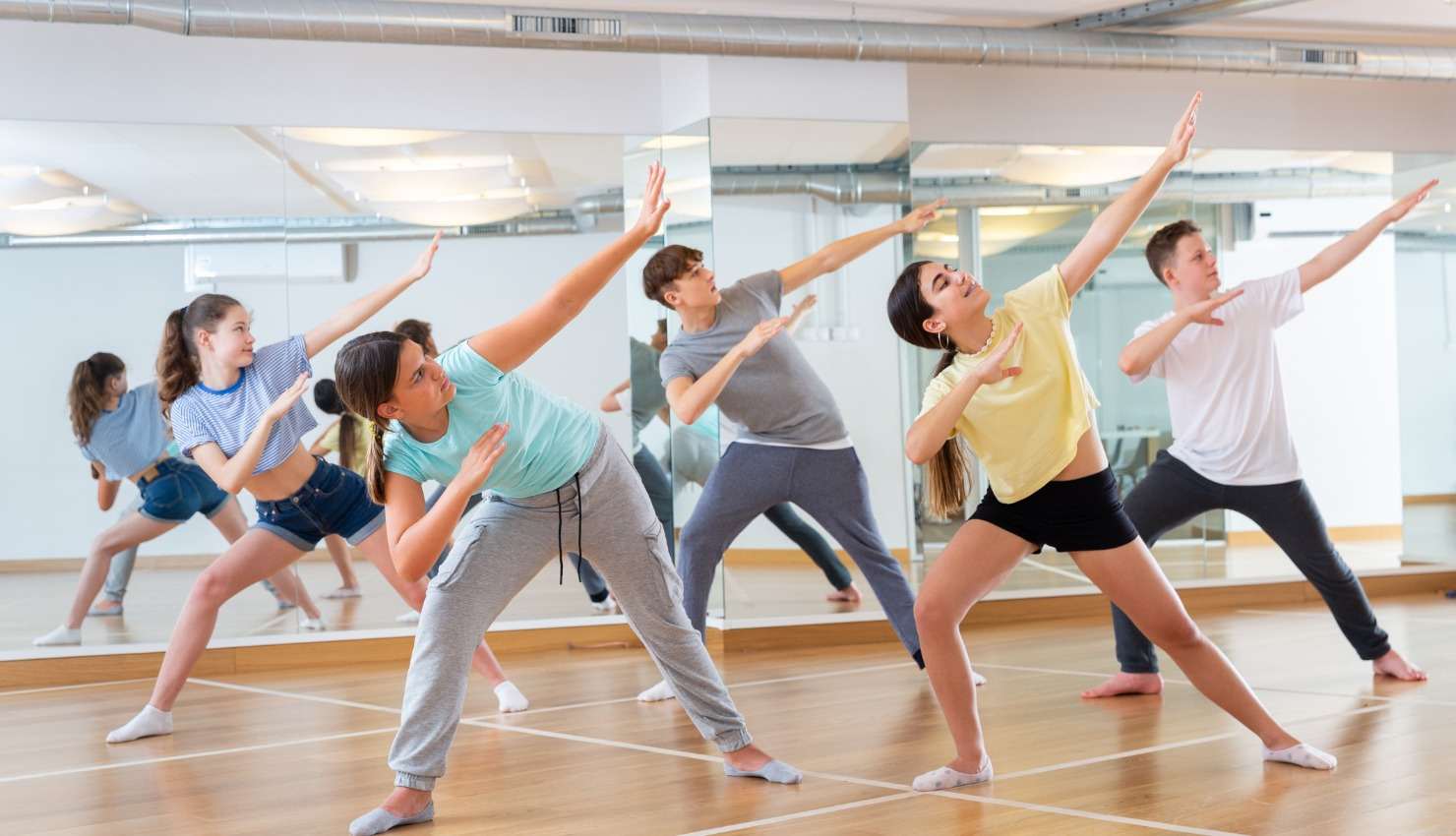
The Demands of a Dance Career
Professional and pre-professional dancers face:
High repetition of complex, high-impact movements
Asymmetrical strain from favoring one side
Extended training hours and intense rehearsal schedules
Minimal rest time between performances or tours
Psychological pressure to perform through pain
Over time, these factors lead to fatigue, chronic injury, and burnoutunless proactive steps are taken.
????? How Physiotherapy Supports Career Longevity
Heres how regular physiotherapy can protect your body and sustain your career:
? 1. Injury Prevention and Early Detection
One of the key roles of a physiotherapist is spotting red flags before they turn into serious injuries. Through ongoing assessment, they monitor:
Muscle imbalances
Joint restrictions
Early signs of tendonitis, stress fractures, or instability
?? Intervening early prevents long layoffs and allows for consistent performance.
? 2. Customized Strength and Conditioning
Every dancers body is unique. Physiotherapists design personalized programs that:
Target weak or underused muscle groups
Improve core and joint stability
Balance flexibility with strength
??? This helps prevent overcompensation and creates a stronger, more resilient dancer.
? 3. Improved Recovery and Load Management
Recovery is just as important as training. Physiotherapy helps dancers:
Recover faster between rehearsals or shows
Use active recovery techniques (foam rolling, mobility work)
Track workload to avoid overtraining and fatigue injuries
? This ensures your body can keep up with the demands of long-term performance schedules.
? 4. Support During Injuries and Rehabilitation
When injury does happen, physiotherapists are essential for:
Accurate diagnosis and treatment
Progressive return-to-dance planning
Emotional support during recovery
??? They ensure you dont just healbut return stronger and more aware.
? 5. Enhancing Technique and Body Awareness
Physiotherapists often work closely with dancers to:
Refine movement patterns
Improve posture and alignment
Correct technique faults that increase injury risk
?? Small corrections can lead to big gains in performance and safety.
? 6. Mental Resilience and Career Confidence
Dealing with pain, setbacks, or fear of reinjury can wear on your mental health. Having a trusted physiotherapist:
Builds confidence in your bodys ability to heal
Provides structure and support
Encourages a proactive mindset toward wellness
?? Mental strength is just as vital as physical strength in a long dance career.
?? When to Start Physiotherapy?
Physiotherapy is beneficial at every stage of a dance career:
Youth dancers: Build proper foundations and prevent early wear
Pre-professionals: Manage training load and prep for auditions
Professional dancers: Maintain peak condition and manage career demands
Retired dancers: Transition gracefully while managing chronic injuries