Prolonged Sitting Affects More Than Just Your Back Sitting for hours compresses the spine, tightens hip flexors, and weakens postural muscles. Over time, this can lead to:

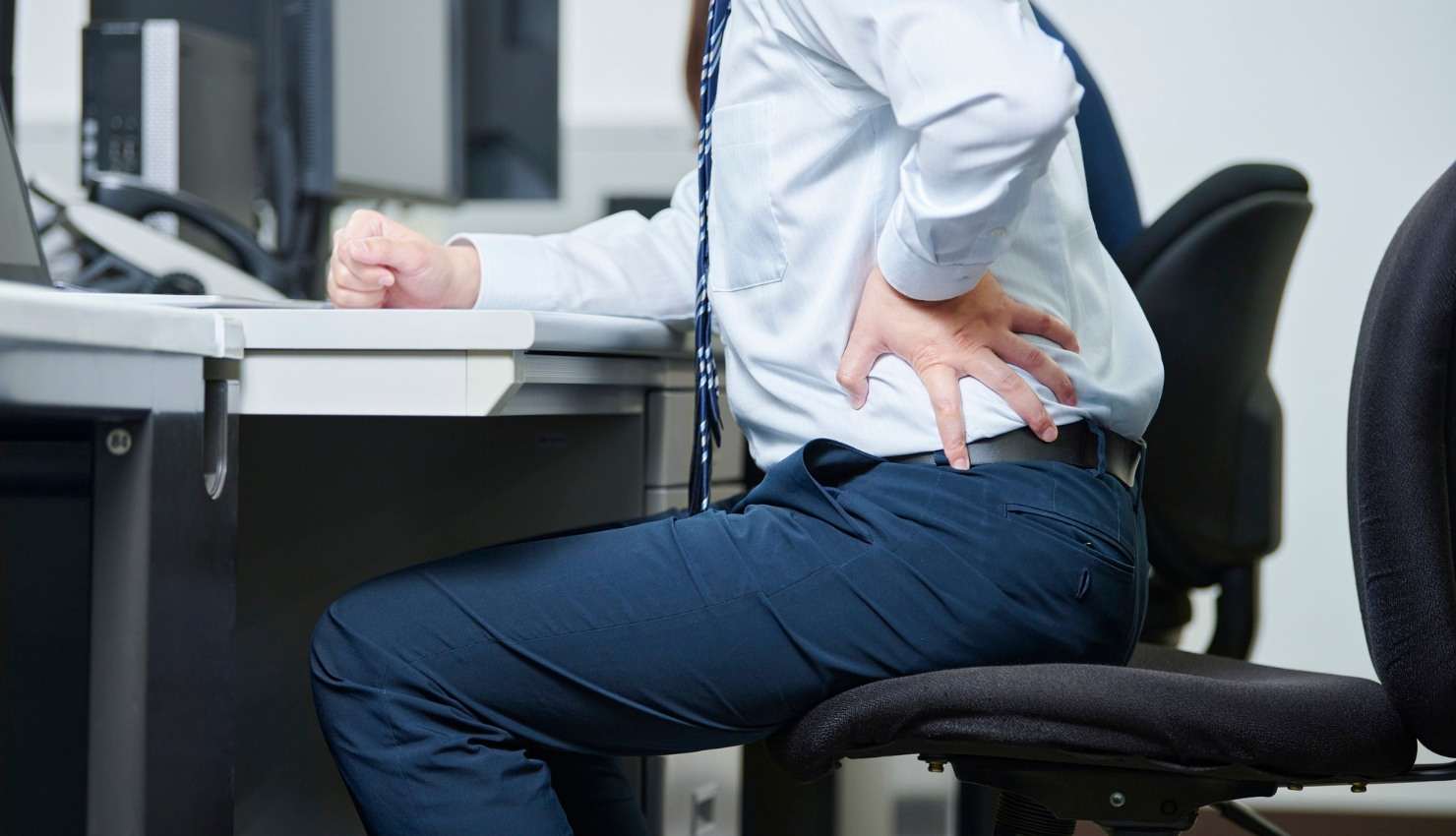
Prolonged Sitting Affects More Than Just Your Back
Sitting for hours compresses the spine, tightens hip flexors, and weakens postural muscles. Over time, this can lead to:
Low back pain
Neck and shoulder tension
Decreased flexibility
Reduced core stability
But the effects go deepersedentary time can also impair circulation, metabolism, and mental focus.
?? Moving even briefly resets your posture and restores circulation.
?? 2. Movement Improves Brain Function and Mood
Regular movement boosts:
Blood flow to the brain
Endorphin levels (feel-good hormones)
Mental clarity and alertness
Even short, frequent movement breaks can reduce brain fog, improve focus, and decrease feelings of stress or burnout.
?? 3. It Supports Muscular and Joint Health
When we stay still too long, muscles become stiff and joints lose mobility. Movement:
Maintains joint lubrication
Strengthens stabilizing muscles
Reduces strain on tendons and ligaments
Physiotherapists often prescribe light, frequent activity to prevent repetitive strain injuries (RSIs), common in desk-bound workers.
?? 4. Micro-Movements Matter
You dont need a full workout during work hourstiny movement snacks add up:
Stand during phone calls
March in place for 12 minutes
Do a few shoulder rolls between emails
Rotate your spine gently while seated
?? Moving for just 12 minutes every 3060 minutes can break the sedentary cycle.
?? 5. Movement Helps Manage Stress
Physical tension from static postures is often accompanied by emotional stress. Movement promotes:
Relaxation and tension release
Better breathing mechanics
Improved sleep quality
Practices like stretching, walking, or gentle yoga between tasks reduce both mental and physical pressure.
? Simple Ways to Add Movement to Your Workday
Activity When to Do It
Stretch your neck/shoulders After video calls
Walk around the house During breaks
Perform desk exercises Every 60 minutes
Do a mobility routine Start and end of your workday
Take a walk after lunch Midday energy boost
?? Tip from Physiotherapists: Build a Movement Routine
Try this every hour:
12 minutes of standing or pacing
23 gentle stretches
Deep breathing to reset posture and calm the nervous system
Set timers or use a sit-stand app to help build the habit.