Why Structural Integration is Essential for Better Movement and Function explores targeted strategies for recovery. Discover new paths to mobility, healing, and personalized care.

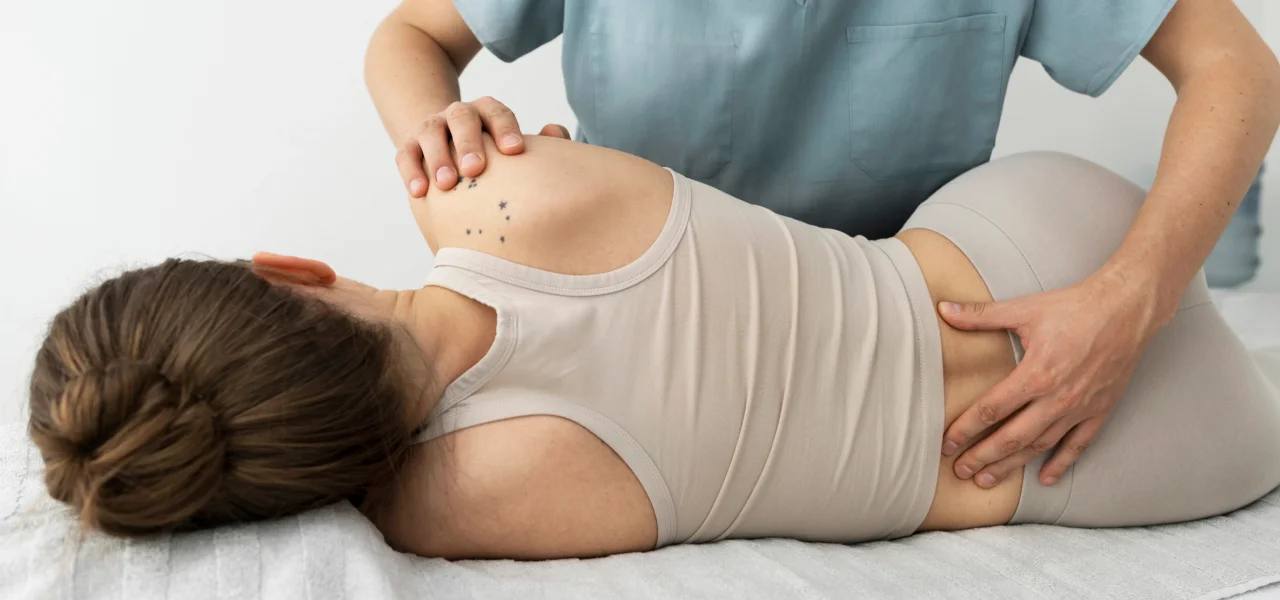
Movement is fundamental to life. Whether youre walking, reaching, exercising, or simply sitting comfortably, your bodys ability to move well affects everything you do. But sometimes, tight muscles, poor posture, past injuries, or daily stresses create restrictions that hold you back from moving the way you want.
Thats where Structural Integration (SI) becomes a game-changer. Its a unique, whole-body approach designed to restore your bodys natural alignment, balance, and ease of movementhelping you function at your best every day.
What Is Structural Integration?
Structural Integration is a hands-on therapy that works with your fasciathe connective tissue that envelops your muscles, bones, and organs. Over time, fascia can get tight, stuck, or misaligned, restricting your movement and causing tension.
Through a series of sessions, SI practitioners use precise, deep touch to release fascial restrictions, realign your body in gravity, and teach you how to move with greater awareness and efficiency.
Why Is Structural Integration Essential for Movement and Function?
1. Restores Optimal Alignment
When your body is aligned properly, your joints, muscles, and bones work in harmony. SI helps correct imbalances and asymmetries, so your body doesnt have to compensate or overwork certain areasresulting in smoother, more natural movement.
2. Improves Flexibility and Range of Motion
Fascial tightness and muscular imbalances can limit your mobility. SI releases these restrictions, allowing your joints and muscles to move more freely, reducing stiffness and discomfort.
3. Enhances Muscle Function and Coordination
SI balances muscle tension throughout your body, ensuring muscles work efficiently without strain. This improves coordination and movement quality, making everyday activities easier and reducing fatigue.
4. Supports Posture and Balance
Good posture isnt about forcing yourself into a poseits about your bodys natural ability to support itself. SI realigns your structure so you can stand, sit, and move with ease and confidence, reducing wear and tear on your body.
5. Promotes Nervous System Integration
Movement is controlled by the nervous system, and fascial release helps improve communication between your brain and muscles. This enhances body awareness and responsiveness, reducing the risk of injury.
6. Encourages Long-Term Wellness
Unlike quick fixes, SI offers lasting changes by addressing the root causes of movement restrictions. It empowers you to maintain better function through mindful movement and improved posture.
Who Benefits Most from Structural Integration?
Anyone with chronic muscle tension or stiffness
Athletes aiming to improve performance and prevent injury
People recovering from injury or surgery
Desk workers with poor posture and related discomfort
Older adults wanting to stay mobile and independent
Final Thoughts
Structural Integration is essential because it doesnt just treat symptomsit transforms how your body is organized and moves. By restoring balance and freedom in your bodys structure, SI helps you move better, feel better, and live better.
If youre ready to unlock your bodys natural potential and enjoy more effortless movement, Structural Integration might be the missing piece youve been searching for.