


The Science of Taking Breaks When you sit or remain in one posture too long, several things happen:

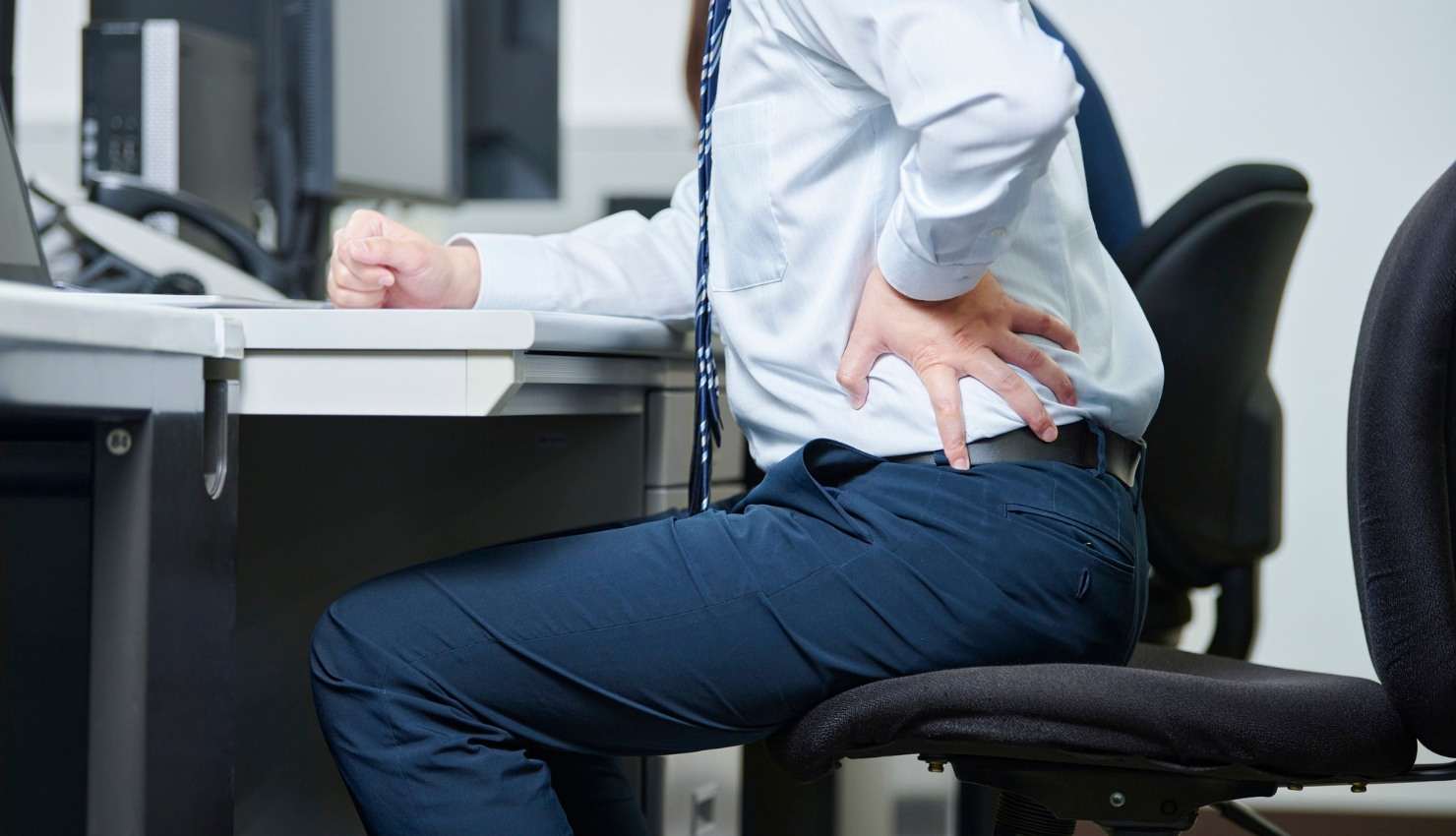
The Science of Taking Breaks
When you sit or remain in one posture too long, several things happen:
Muscles fatigueespecially in the neck, shoulders, back, and hips
Circulation slows, reducing oxygen delivery to muscles and brain
Joint stiffness sets in, particularly in the spine, hips, and wrists
You may experience mental fog, headaches, or eye strain
?? Micro-movements and postural resets break these cycles.
?? What Physiotherapists Say About Breaks
?? Common advice includes:
Take micro-breaks every 30 minutes (12 minutes of movement)
Every 12 hours, do a longer break involving standing, walking, or stretching
Include mobility and strengthening exercises during or after the workday
Never stay in one posturethe best posture is your next posture
????? Why Breaks Help Physically
Without Breaks With Breaks
Muscle tension builds Muscles release tension
Poor blood flow Circulation improves
Slouched posture persists Posture realigns
Back/neck stiffness Joints stay mobile
Eyestrain worsens Eyes reset and relax
?? Even just standing up improves spinal hydration and relieves compression.
????? What a Smart Break Looks Like
? Heres a physiotherapist-approved 3-minute break:
Stand up and walk 12 minutes
Do shoulder rolls and neck side bends
Stretch your hip flexors and calves
Do a few chest-opening movements
Take 5 deep breaths to calm your nervous system
? You dont need long breaks. You need frequent, purposeful ones.
?? Break Strategies You Can Build Into Your Day
Pomodoro method (25 min work / 5 min break)
1-minute stretch alarms using your phone or smartwatch
Use every calendar alert as a cue to reset posture
Stand during phone calls or use a sit-stand desk
Walk around your home while reading or listening to audio
?? Build breaks into your workflownot just after you’re already in pain.
?? What Happens When You Dont Take Breaks?
Without regular movement and posture changes, remote workers are more prone to:
Neck and back pain
Carpal tunnel syndrome and wrist strain
Headaches from poor neck posture
Eye strain (computer vision syndrome)
Muscle imbalances and core weakness
Chronic fatigue and reduced productivity
?? These are some of the most common issues physiotherapists treat in desk-bound clients.
?? Final Takeaways
? Breaks arent a luxurytheyre a health requirement
? Micro-movements prevent injury and pain
? Structured break routines improve productivity and focus
? Stretching + movement improves circulation, mobility, and mood
? Postural variety is better than perfect posture held too long

