Posture Affects More Than Just Your Back Poor posture doesnt just hurt your spineit can affect:

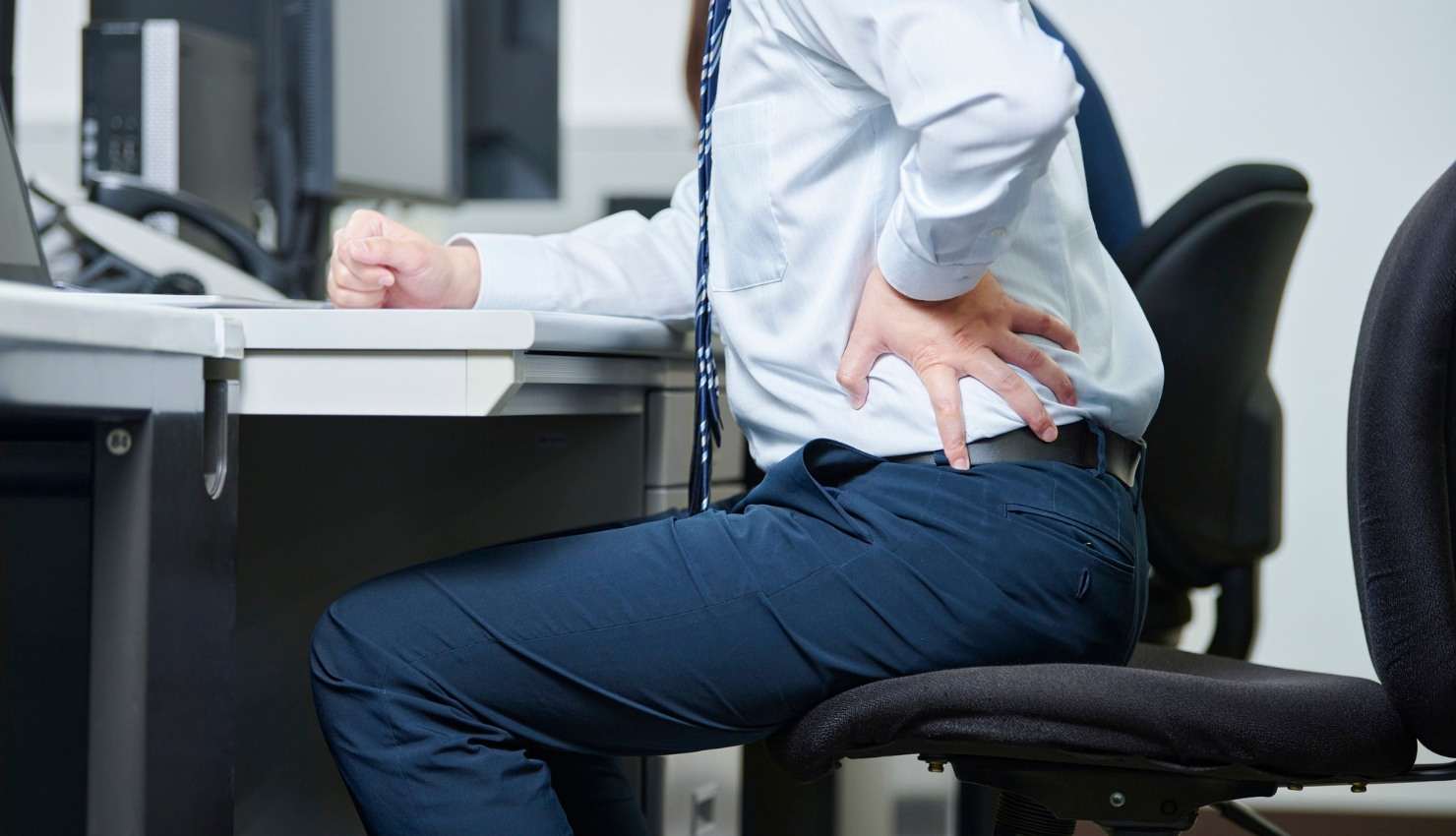
Posture Affects More Than Just Your Back
Poor posture doesnt just hurt your spineit can affect:
Breathing: Slouched shoulders limit lung expansion
Circulation: Compression from slumping can reduce blood flow
Energy: Misalignment forces muscles to work harder, causing fatigue
Focus: Discomfort makes it harder to concentrate
Mood: Studies show upright posture can boost confidence and reduce stress
?? Good posture supports physical and mental performance.
?? 2. Slouching Causes Long-Term Wear and Tear
When you consistently sit with poor posture:
Neck and upper back muscles become strained from forward head posture
Spinal discs experience uneven pressure, increasing risk of bulging or herniation
Hip flexors tighten, leading to lower back pain
Shoulders roll inward, promoting a rounded posture that worsens over time
?? Even subtle misalignments repeated daily can result in chronic pain or injury.
??? 3. Home Setups Often Lack Ergonomic Support
Most people don’t use a fully adjustable chair or desk at home. Instead, they work:
At low coffee tables
On soft couches or beds
On dining chairs with no lumbar support
With screens placed too low or too far
Without proper alignment, your body compensates, which leads to strain.
? A few posture-conscious adjustments (like screen height and chair support) can make a huge difference.
?? 4. Good Posture Reduces Muscle Tension and Headaches
When youre aligned:
Your muscles dont have to overwork to hold your body up
Youre less likely to experience neck tension, shoulder tightness, or tension headaches
Your joints move more efficiently and with less friction
?? This means fewer discomfort distractions and better performance throughout the day.
?? 5. Your Posture Becomes a Habit
Your body adapts to the position its most often in. If you spend 68 hours daily slumped or twisted:
That posture becomes your new default, even when youre standing or walking
It can lead to movement dysfunction and increase injury risk
?? Posture is not just how you sitits how your body learns to move.
? 6. Postural Awareness is the First Step to Injury Prevention
Becoming aware of your posture helps you:
Catch yourself when slouching
Make small adjustments to improve comfort
Reduce your risk of conditions like text neck, lumbar pain, carpal tunnel, and sciatica
?? Better posture helps prevent injuries before they startsaving time, money, and discomfort.
????? 7. Physiotherapy Can Help You Retrain Your Posture
If youre already experiencing pain or just want to improve your setup:
A physiotherapist can assess your posture and ergonomics
Youll get personalized exercises to correct imbalances
Theyll teach you how to build postural endurance and avoid recurring pain
??? Posture isnt about staying rigidits about building strength, flexibility, and balance.
?? Quick Posture Tips for Your Home Office
Area Adjustment Tip
Head/Neck Keep chin tucked, screen at eye level
Shoulders Relaxed and downnot rounded forward
Back Support lumbar spine with chair or cushion
Hips/Knees Hips slightly higher than knees
Feet Flat on the floor or supported