Yoga for Stress and Anxiety Relief explores targeted strategies for recovery. Discover new paths to mobility, healing, and personalized care.

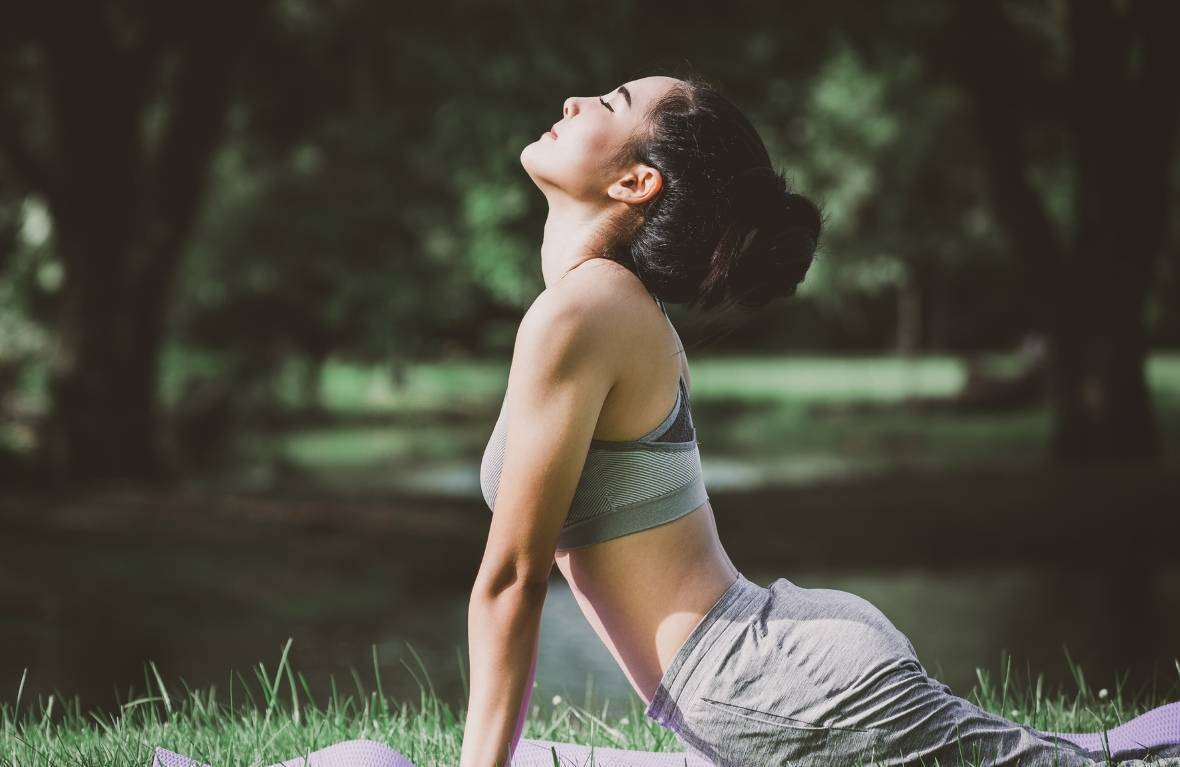
In our busy Canadian lives, stress and anxiety have become part of everyday conversationsfrom work deadlines in Toronto to family routines in Vancouver. The good news? Yoga offers a natural, effective way to manage stress and enhance mental well?being. In this blog post, well explore powerful yoga techniques that reduce anxiety, promote relaxation, and support your overall mental health.
Understanding Stress and Anxiety
Stress is often the bodys response to pressurewhether from work, traffic, or juggling multiple responsibilities. Anxiety, on the other hand, often cultivates persistent worry and tension. While medications are available, many Canadians are turning to natural healing techniques, and yoga stands out as a holistic solution. Yoga combines mindful breathing, gentle movements, and meditation to help ease the mind and calm the nervous system.
How Yoga Reduces Cortisol Levels
High stress levels correlate with elevated cortisol, the stress hormone. Yoga practices like pranayama (breathing exercises) and restorative yoga help calm the sympathetic nervous system and activate the parasympathetic responseoften referred to as the rest and digest mode. Regular yoga lowers cortisol, helping you feel more relaxed and resilient.
Best Yoga Poses for Stress Relief
Here are some of the most effective, beginner-friendly poses you can start at home:
Childs Pose (Balasana)
A deeply restful posture that soothes mind and body. Ideal for winding down after a busy day.
Legs Up the Wall (Viparita Karani)
Promotes circulation and reduces tension in the lower bodygreat for mental clarity and calmness.
CatCow Stretch (MarjaryasanaBitilasana)
Flowing between arching and rounding the spine relieves tension, calms the mind, and helps regulate breathing.
Seated Forward Bend (Paschimottanasana)
A meditative posture that encourages introspection and reduces anxiety.
Supported Bridge Pose (Setu Bandha Sarvangasana)
Opens the chest, balances hormones, and triggers relaxation.
Breathing Practices (Pranayama) to Calm the Mind
4?7?8 Breath Technique:
Inhale for 4 counts, hold for 7, exhale for 8. Powerful for immediate stress relief.
Alternate Nostril Breathing (Nadi Shodhana):
Balances left/right brain activity and calms emotional overwhelm.
Ocean Sound Breath (Ujjayi):
Use a soft shhh sound during breath to ease cortisol and tension. Great for evening wind-down routines.
Guided Meditation: Still the Inner Chatter
Yoga isnt complete without the minds silent presence. Incorporate guided meditation or mindfulness:
Start with 5 minutes of focused breathing.
Progressively move toward full guided meditationlots of Canadians report meditating reduces insomnia, racing thoughts, and restlessness.
Combine with apps or local yoga studios in Canada for online group support.
Building a Consistent Yoga Practice
Here are some practical tips to transform short-lived routines into life?long habits:
Designate calming space: A quiet corner in your home goes a long way.
Schedule it in: Block off 15 minutes daily.
Set gradual goals: Start small (1015 minutes), then build up to 3045 minutes.
Try online classes: Many Canadian studios, including BC and Ontario, offer donation-based or low-cost virtual yoga.
Keep a journal: Note changes in mood, sleep, or claritythis reinforces staying motivated.
Benefits of Yoga for Stress and Anxiety
Improved sleep
Better rest as cortisol lowers and relaxation deepens.
Enhanced emotional resilience
Youll find it easier to handle difficult conversations or demanding deadlines.
Boosted energy and focus
Less mental fog, more productivity.
Improved overall health
Lower blood pressure, improved digestion, and a balanced nervous system.
Yoga and Mental Health Research
Recent studies show that consistent yoga practice can significantly reduce symptoms of anxiety and depression. In fact, a meta?analysis published by Health Canada-linked journals found substantial improvement in mood compared to other individual stress-relief techniques.
YourFormsUX + Yoga: A Holistic Approach
At YourFormsUX, we understand the importance of mental well-being in todays digital landscape. Whether you’re filling out professional forms or crafting a career profile, managing stress enhances clarity, productivity, and user-friendly creation experiences. Integrating yoga into your routine gives you a natural mental resetso you can approach work with renewed confidence and focus.
Getting Started: Your 2-Week Intro Plan
Day 13:
10 min breathing + 10 min Childs Pose
Day 47:
15 min flow: CatCow, Viparita, Bridge + 5 min meditation
Day 814:
20 min session: Add in Ujjayi breath and seated stretch
Extend meditation to 10 min
Track how you feelmood, sleep, focus. Celebrate small gains. By week two, notice improved calm, clarity, and resilience.
Final Thoughts
Stress and anxiety dont need to control your life. With consistent yoga, you can foster natural healing, emotional balance, and mental strength. Whether in a bustling Canadian city or a quiet Prairie town, yoga is a simple, evidence?based tool you can rely on. Try the 2?week plan, keep it going, and bring mindfulness into every daystarting now.