Yoga for Tension Relief explores targeted strategies for recovery. Discover new paths to mobility, healing, and personalized care.

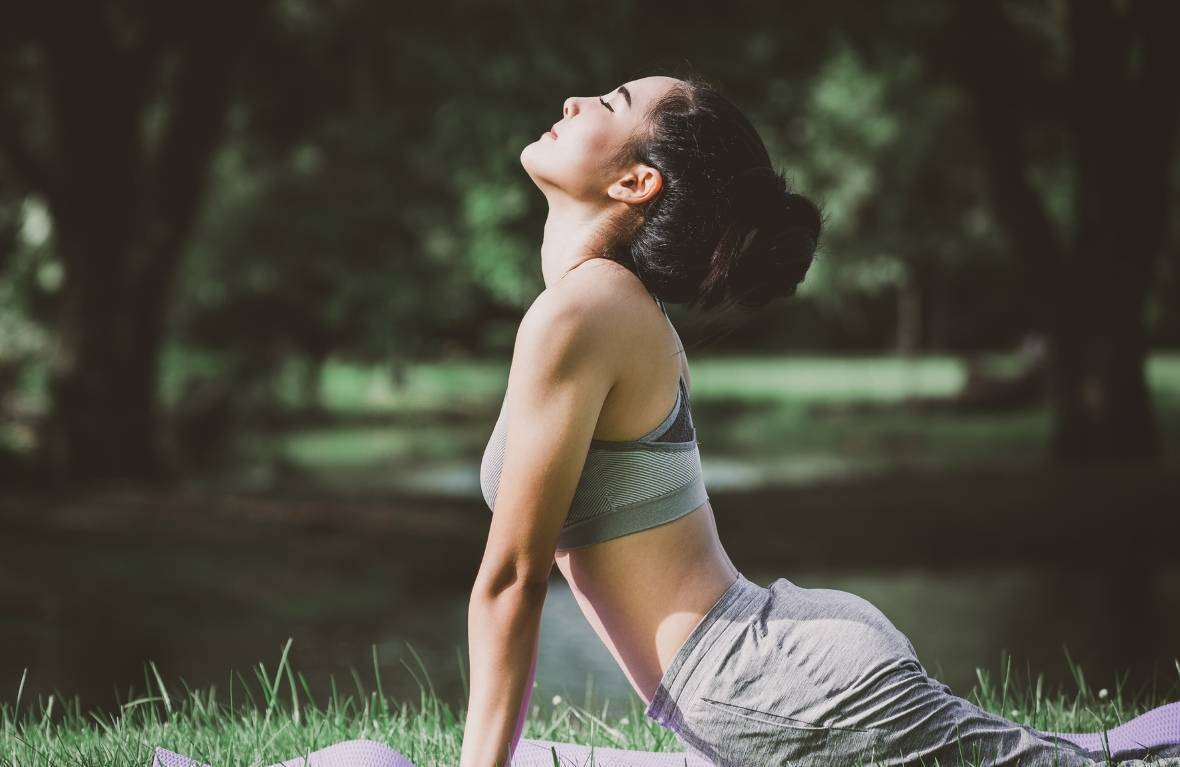
Yoga for Tension Relief: How It Helps Relax Your Muscles
Stress and tension are part of modern life, affecting our physical and mental health in various ways. Whether from work, relationships, or everyday responsibilities, the body accumulates stress in the form of muscle tightness, discomfort, and even chronic pain. Fortunately, yoga offers a holistic approach to relieve tension, release built-up stress, and promote relaxation. In this blog, we will explore how yoga can help relax your muscles, alleviate stress, and support overall well-being.
The Science of Tension and Stress
Muscle tension often occurs as a physical response to stress. When we encounter a stressful situation, the bodys fight-or-flight response is triggered, causing the muscles to contract and become tight. Over time, if this tension is not released, it can lead to chronic muscle stiffness, pain, and even postural issues. Areas commonly affected by tension include the neck, shoulders, lower back, and hips.
Yoga helps address both the physical and emotional aspects of tension. By promoting mindfulness, relaxation, and stretching, yoga encourages the release of built-up stress, allowing both the body and mind to restore balance.
How Yoga Reduces Muscle Tension
Yoga works to alleviate muscle tension by promoting deep breathing, improving flexibility, and strengthening muscles. Regular practice helps release tension from specific muscle groups, enhance circulation, and increase relaxation. Here are some key ways yoga helps relax your muscles:
Promotes Relaxation Through Breathwork: One of the cornerstones of yoga is pranayama, or breath control. Focused breathing activates the parasympathetic nervous system, which helps reduce stress and triggers a relaxation response in the body. When we consciously slow down our breath, we signal to our nervous system that its safe to relax, allowing the muscles to release their tension.
Improves Flexibility: Tight muscles often feel stiff and painful. Yoga stretches the muscles, gently improving their flexibility. This increased range of motion helps reduce discomfort and allows the muscles to move more freely, preventing muscle strains and stiffness.
Strengthens and Balances Muscles: Muscle imbalances can also contribute to tension. For instance, weak muscles in the core and back can lead to poor posture, resulting in muscle strain and tension. Yoga helps strengthen and tone muscles, creating a more balanced body that can better support itself, reducing the strain on individual muscle groups.
Encourages Mindful Movement: Yoga teaches you to move with intention and awareness, bringing attention to areas of the body that may be holding tension. By developing this mindfulness, you can become more aware of how your posture, movement, and daily habits affect your muscles, helping to prevent the build-up of unnecessary tension.
Helps Release Emotional Tension: Tension is not just physicalit can be emotional as well. Stress, anxiety, and negative emotions can cause muscle tightness, particularly in the shoulders, neck, and jaw. Yogas combination of breathwork, meditation, and mindful movement helps address the emotional aspects of stress, encouraging a sense of calm and emotional release.
Effective Yoga Poses for Muscle Tension Relief
Certain yoga poses are particularly beneficial for relieving tension in key areas of the body. These poses target the muscles most prone to stress and tightness, helping to stretch, release, and relax them. Here are some yoga poses to incorporate into your practice for muscle tension relief:
Childs Pose (Balasana): This gentle resting pose stretches the lower back, hips, and thighs while encouraging relaxation. It helps release tension in the spine and promotes deep, calming breaths.
Cat-Cow Pose (Marjaryasana-Bitilasana): This flowing movement between arching and rounding the back helps increase flexibility in the spine while releasing tension in the neck, shoulders, and back.
Downward-Facing Dog (Adho Mukha Svanasana): This pose stretches the hamstrings, calves, and spine, helping to relieve tension in the lower back and legs. It also helps improve posture and blood circulation, which can reduce muscle stiffness.
Seated Forward Fold (Paschimottanasana): This forward bend stretches the hamstrings, lower back, and calves, helping to release tightness in these areas and promote relaxation.
Standing Forward Fold (Uttanasana): This pose stretches the hamstrings, lower back, and calves while allowing the head to drop toward the floor, which helps release neck tension and promote deep breathing.
Reclining Bound Angle Pose (Supta Baddha Konasana): This restorative pose targets the inner thighs, groins, and lower back, helping to release tension and encourage relaxation. It is particularly beneficial for people who carry stress in their hips and pelvis.
Thread the Needle Pose (Sucirandrasana): This gentle twist and stretch targets the shoulders, neck, and upper back, helping to release tension from areas where stress often accumulates.
Pigeon Pose (Eka Pada Rajakapotasana): This deep hip opener helps release tightness in the hip flexors and glutes, which can contribute to lower back pain and tension. It also promotes flexibility and relieves emotional stress stored in the hips.
The Importance of Mindful Breathing in Stress Relief
The breath is a powerful tool for calming the mind and relaxing the body. In yoga, conscious breathing helps activate the parasympathetic nervous system, which is responsible for relaxation and stress reduction. Incorporating mindful breathing into your practice can deepen the relaxation response, further aiding in muscle tension relief.
Here are a few breathing techniques to try during your yoga practice:
Diaphragmatic Breathing: Also known as belly breathing, this technique involves breathing deeply into the diaphragm, expanding the belly as you inhale and contracting it as you exhale. It encourages relaxation and helps relieve tension in the body.
Alternate Nostril Breathing (Nadi Shodhana): This technique involves closing one nostril at a time and breathing through the other, alternating between the left and right sides. It helps balance the nervous system and reduce stress.
Ujjayi Breathing: Ujjayi breath is often used in yoga as a means of focusing the mind and calming the body. This technique involves slightly constricting the throat to create an audible, ocean-like sound during both inhalation and exhalation.
Creating a Regular Yoga Routine for Tension Relief
To experience the full benefits of yoga for muscle tension relief, consistency is key. Even just a few minutes of yoga each day can help reduce stress, improve flexibility, and prevent muscle tightness. Try to incorporate a combination of poses that target different areas of the body, along with mindful breathing exercises, to help release tension and promote relaxation.
Its also important to listen to your body during your practice. If a particular pose feels uncomfortable or youre experiencing pain, modify the pose or rest. Yoga is about finding a balance between challenge and relaxation, and its essential to honor your bodys limits.
Conclusion
Yoga is a powerful tool for managing muscle tension, stress, and overall well-being. Through mindful movement, deep breathing, and relaxation techniques, yoga helps release tension from the body, reduce stress, and promote a sense of calm and balance. By incorporating regular yoga practice into your routine, you can experience lasting relief from muscle tightness, enhance flexibility, and improve your mental and emotional health.
Whether youre looking to unwind after a long day or reduce chronic muscle tension, yoga offers a safe, holistic approach to healing and relaxation. Start incorporating some of the poses and breathing techniques mentioned above, and enjoy the benefits of a more relaxed, balanced body and mind.