How Massage Therapy Helps Improve Recovery Time for Athletes brings new meaning to proactive care. Discover fresh strategies that promote movement and strength.

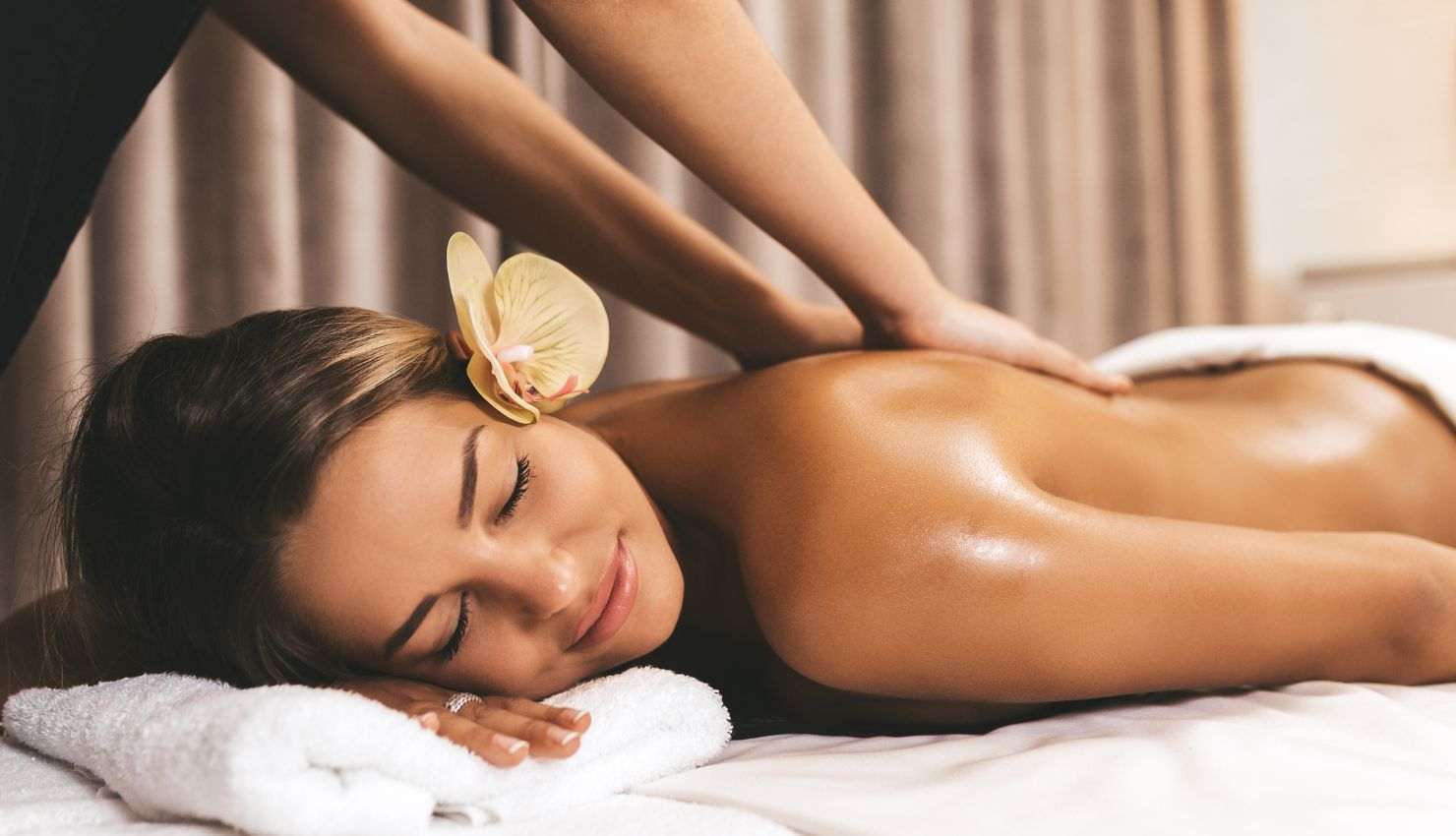
Athletes, whether professional or recreational, constantly push their bodies to the limit. Intense training, competitions, and repetitive movements can take a toll, leading to muscle soreness, fatigue, and sometimes injury. Quick recovery is crucial for maintaining performance, avoiding burnout, and staying at the top of your game. One of the most effective yet often underutilized tools for enhancing recovery time is massage therapy. Lets explore how massage therapy accelerates healing, reduces fatigue, and helps athletes bounce back faster.
The Importance of Recovery in Athletic Performance
Recovery is more than just resting after exerciseits a complex physiological process where your muscles repair micro-tears, replenish energy stores, and reduce inflammation. Insufficient recovery can lead to overtraining, decreased performance, and increased injury risk.
Effective recovery strategies allow athletes to:
Reduce muscle soreness and stiffness
Restore flexibility and range of motion
Improve circulation to clear metabolic waste
Replenish energy stores like glycogen
Maintain mental focus and motivation
Massage therapy complements these goals by providing targeted physical and neurological benefits.
How Massage Therapy Accelerates Athletic Recovery
Reduces Muscle Soreness and Delayed Onset Muscle Soreness (DOMS)
DOMS is the stiffness and pain that appear 24-72 hours after intense exercise. Massage therapy has been shown to reduce the intensity and duration of DOMS by promoting circulation and decreasing muscle inflammation.
Enhances Blood Flow and Nutrient Delivery
Massage stimulates blood circulation, which delivers oxygen and nutrients to fatigued muscles more efficiently. This helps muscles repair faster and regain strength.
Flushes Out Metabolic Waste Products
During exercise, muscles produce waste like lactic acid, which contributes to soreness and fatigue. Massage aids lymphatic drainage and venous return, helping remove these toxins from the body.
Relaxes Tight Muscles and Improves Flexibility
Tense muscles restrict movement and delay recovery. Massage loosens tight muscles, breaks down adhesions, and improves joint mobility, allowing for better performance and less injury risk.
Reduces Stress and Promotes Mental Relaxation
Recovery isnt just physical. Mental stress affects muscle tension and performance. Massage triggers the parasympathetic nervous system, lowering cortisol and increasing endorphins, which promote relaxation and mental clarity.
Types of Massage Beneficial for Athletic Recovery
Sports Massage: Designed specifically for athletes, focusing on muscle groups stressed by particular sports or activities.
Swedish Massage: Promotes general relaxation and circulation.
Deep Tissue Massage: Targets deeper muscle layers to relieve chronic tension.
Myofascial Release: Loosens tight fascia that restricts muscle movement.
When to Schedule Massage for Optimal Recovery
Timing matters for maximizing recovery benefits. Post-workout massages, ideally within 30 minutes to a few hours after exercise, can reduce soreness and inflammation. Regular sessions throughout training cycles support ongoing muscle health and injury prevention.
Combining Massage with Other Recovery Techniques
Massage therapy works best alongside:
Proper hydration and nutrition
Active recovery exercises like light stretching or swimming
Adequate sleep and rest periods
Physical therapy if recovering from injury
Finding a Massage Therapist Experienced with Athletes in Canada
To get the most from massage therapy, seek out licensed therapists who specialize in sports massage and understand your specific athletic needs. At YFS, we help connect you with professionals skilled in enhancing athletic recovery safely and effectively.
For athletes committed to peak performance, massage therapy isnt just a treatits a vital part of the recovery toolkit. By speeding healing, reducing soreness, and calming the mind, massage helps you get back in the game faster and stronger than ever.
Word count: 900 words