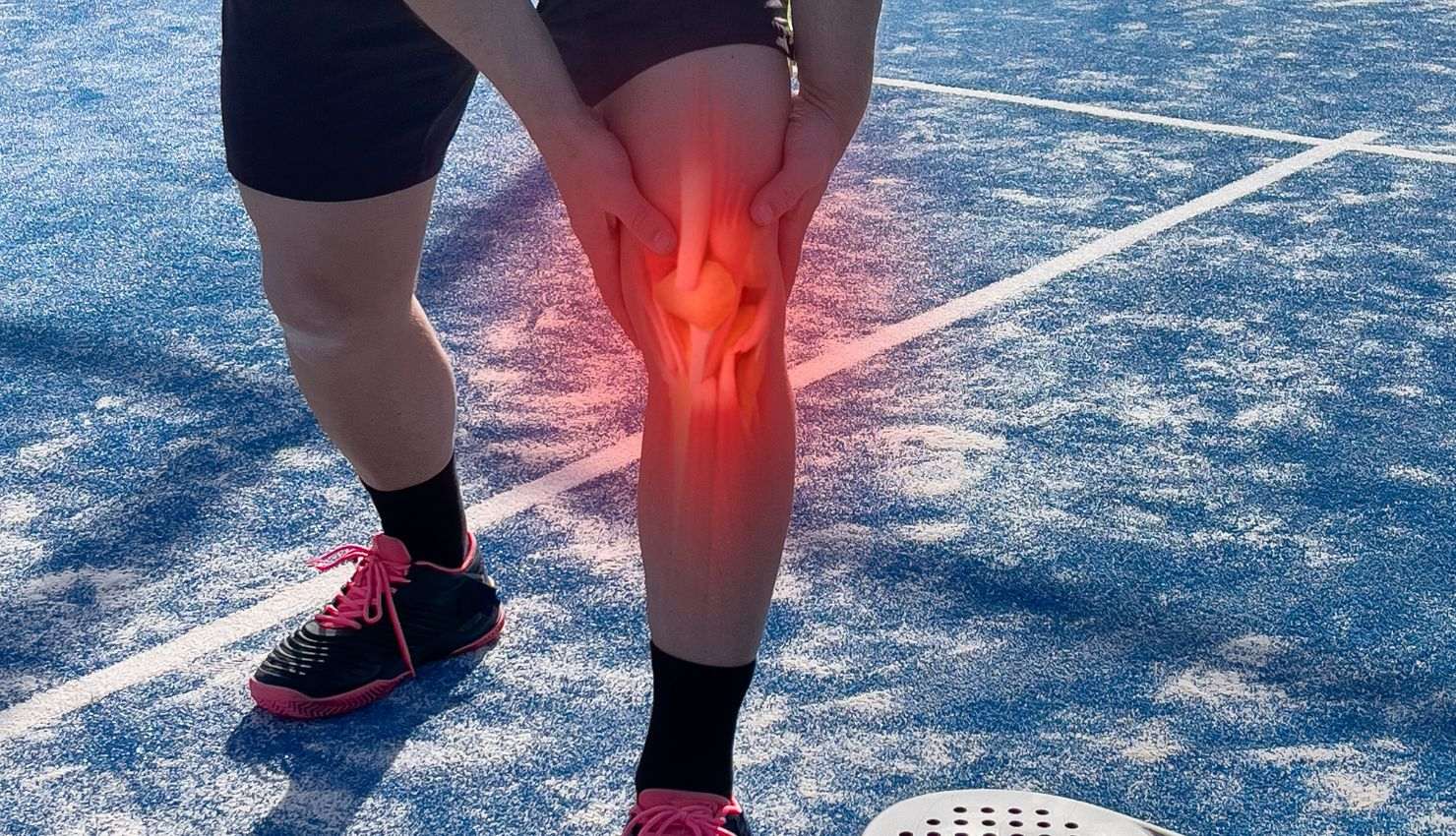
First, Why Pain Happens During Recovery Pain isnt always a bad thingits your bodys way of communicating. After an injury or surgery, your body enters protection mode: Muscles tighten Movement feels stiff Nerves become extra sensitive You might even start guarding or avoiding certain motions But heres the key: not all pain means damage.

?? First, Why Pain Happens During Recovery
Pain isnt always a bad thingits your bodys way of communicating. After an injury or surgery, your body enters protection mode:
Muscles tighten
Movement feels stiff
Nerves become extra sensitive
You might even start guarding or avoiding certain motions
But heres the key: not all pain means damage. Physiotherapists help you understand the difference between healing discomfort and harmful pain, so you dont get stuck in fear or delay your recovery.
??? How Physiotherapy Helps Manage Pain During Recovery
1. Personalized Pain-Relief Strategies
Your physiotherapist will assess your injury, mobility, and pain levels to build a plan that includes:
Manual therapy (massage, joint mobilizations)
Stretching to reduce stiffness
Ice or heat therapy
TENS (electrical stimulation)
Taping or bracing for support
These techniques aim to reduce inflammation, ease muscle tension, and make movement more comfortable, especially in the early stages of recovery.
2. Safe, Guided Movement
One of the best ways to reduce pain is to keep movingbut the right way. A physiotherapist helps you:
Reintroduce movement without overloading healing tissues
Activate muscles gently to support recovery
Use graded exercises that match your healing phase
Avoid movements that aggravate your pain
This builds strength and mobility without triggering setbacks, and reduces the chances of developing chronic pain.
3. Strengthening and Stability Training
As your healing progresses, strengthening exercises help:
Offload pressure from joints and injured areas
Improve balance and coordination
Restore function to daily activities
Reduce strain on the rest of the body (compensation patterns)
Stronger muscles = less pain and more confidence in your movement.
4. Posture and Movement Re-Training
After an injury or surgery, your body might start moving differently to avoid painwhich can lead to new problems. Physios teach you how to:
Sit, stand, walk, and lift with better alignment
Use breathing techniques to manage tension and reduce discomfort
Move with confidence and control
Even small corrections can take a huge load off your healing body.
5. Education & Empowerment
This is where physiotherapy really shines. Understanding your pain helps:
Reduce fear and anxiety about movement
Teach you what pain is okay, and whats a red flag
Give you tools to manage flare-ups at home (stretching, pacing, heat/ice)
Youll feel more in control and less afraid of making things worsewhich is key to long-term healing.
????? Tips for Managing Pain During Your Recovery
Heres what your physiotherapist may suggest to stay on track:
? Pace Yourself
Alternate rest and activity to avoid flare-ups. Too much too soon can increase pain, but too little slows healing.
? Use Ice and Heat Wisely
Ice for inflammation and swelling
Heat for stiff, tight muscles or joints
Ask your physio which to use and whenit depends on your condition and healing stage.
? Dont Skip the Exercises
Yes, they might feel uncomfortable at firstbut theyre designed to get you moving again in a safe, controlled way. Consistency is key!
? Stay Positive
Recovery takes time, but every bit of progress adds up. Trust your physiotherapy plan and celebrate the winsbig or small.
? Final Takeaway
Pain is part of the recovery processbut it doesnt have to take over. Physiotherapy gives you the tools, support, and guidance to manage it effectively while helping your body heal the right way.
Through hands-on care, smart exercises, education, and ongoing encouragement, your physiotherapist becomes your partner in recovery and pain managementevery step of the way.