Whether its a rolled ankle on the soccer field, a strained back from lifting groceries, or sore knees from running injuries happen. And when they do, pain can really slow you down.

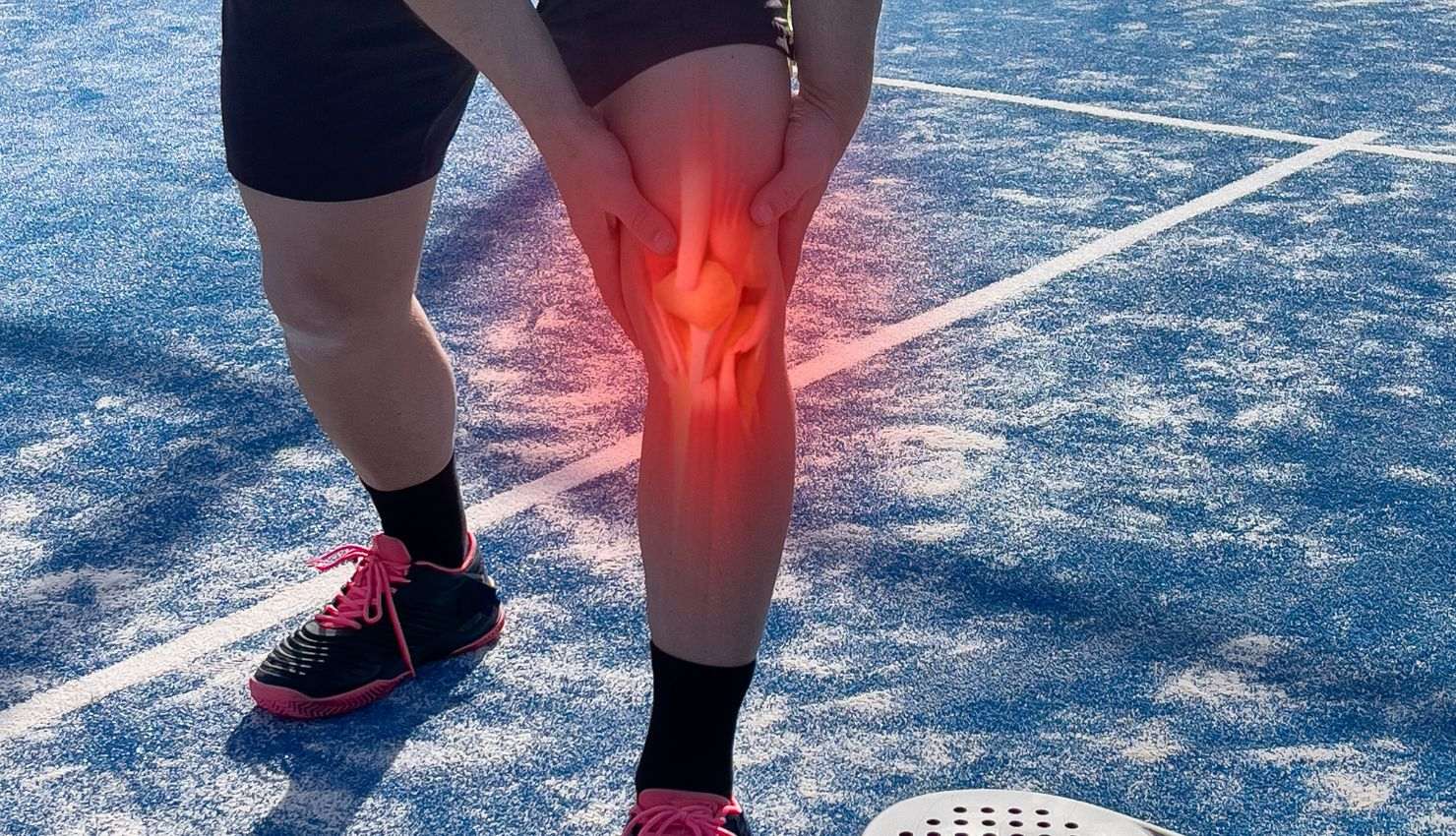
Whether its a rolled ankle on the soccer field, a strained back from lifting groceries, or sore knees from running injuries happen. And when they do, pain can really slow you down. But heres the good news: you dont have to just rest and hope it goes away. Physiotherapy offers targeted, effective treatments that not only ease the pain but help you heal faster and stronger.
Lets dive into the most effective physiotherapy techniques for managing pain and promoting recovery after an injury from minor sprains to post-surgical rehab.
?? Why Physiotherapy Works for Injury Pain
Pain after an injury is your bodys natural alarm system signaling inflammation, muscle guarding, or even nerve sensitivity. But staying inactive for too long can lead to stiffness, weakness, and more discomfort.
Physiotherapy helps by:
Reducing inflammation and swelling
Easing pain through movement and manual care
Restoring mobility and strength
Preventing re-injury through targeted rehab
And all of this is done without relying on long-term medication. It’s all about helping your body do what its designed to do: heal.
?? The Best Physiotherapy Treatments for Injury-Related Pain
Heres what a typical physiotherapy approach might include depending on the type and severity of your injury.
1?? Manual Therapy
Hands-on techniques that reduce tension, improve circulation, and gently mobilize joints.
Includes:
Soft tissue massage
Joint mobilizations
Trigger point release
Myofascial release
Great for: Muscle strains, joint sprains, back/neck injuries, post-surgery stiffness.
2?? Therapeutic Exercise
Tailored movements designed to restore strength, mobility, and flexibility.
Includes:
Gentle stretching
Strength-building for stabilizing muscles
Range-of-motion exercises
Functional training for daily movements
Great for: All stages of injury recovery from early rehab to getting back to sport.
3?? Modalities (Pain-Relief Tools)
These are supportive technologies that complement your hands-on and exercise treatments.
May include:
TENS (electrical stimulation to block pain signals)
Ultrasound therapy (to promote deep tissue healing)
Cold therapy (to reduce swelling and numb acute pain)
Heat therapy (to relax stiff muscles and promote blood flow)
Great for: Acute pain, swelling, and muscle tightness.
4?? Taping and Bracing
Supportive techniques that help reduce strain on injured tissues while you heal.
Includes:
Kinesiology taping (KT Tape)
Athletic taping
Custom braces or supports
Great for: Joint instability, muscle strains, sports injuries, or returning to activity post-injury.
5?? Education and Pain Management Strategies
Knowledge is power! Your physio will teach you:
How to modify your activities to avoid aggravating pain
Safe ways to move during healing
Postural advice and ergonomic tips
Strategies to manage flare-ups at home
Great for: Long-term pain control and confidence in daily movement.
6?? Balance and Coordination Training
Injuries can throw your balance off especially with ankle sprains, knee injuries, or concussions. This training improves your bodys reaction time and control.
Includes:
Proprioception drills
Balance board or foam pad exercises
Core stability work
Great for: Preventing re-injury and building full-body awareness.
7?? Gradual Return-to-Activity Plans
Once your pain is under control and movement is improving, your physio will build a plan to get you back to:
Work
Sport
Gym routines
Everyday life tasks
This ensures youre healing at the right pace without rushing or risking reinjury.
?? Injuries Physiotherapy Commonly Treats
Sprains and strains
Sports injuries (like tennis elbow or runners knee)
Whiplash or soft tissue trauma
Post-surgical pain (ACL repair, rotator cuff surgery, etc.)
Tendonitis and bursitis
Fractures after cast removal
Overuse injuries (repetitive strain, workplace injuries)
? In a Nutshell
Physiotherapy doesnt just treat pain it helps your body recover from the inside out. By using a personalized mix of movement, hands-on care, and practical advice, physiotherapists help you:
Reduce pain naturally
Restore strength and flexibility
Get back to doing what you love safely and confidently
So whether your injury is fresh or lingering, physiotherapy can help you bounce back better than before.